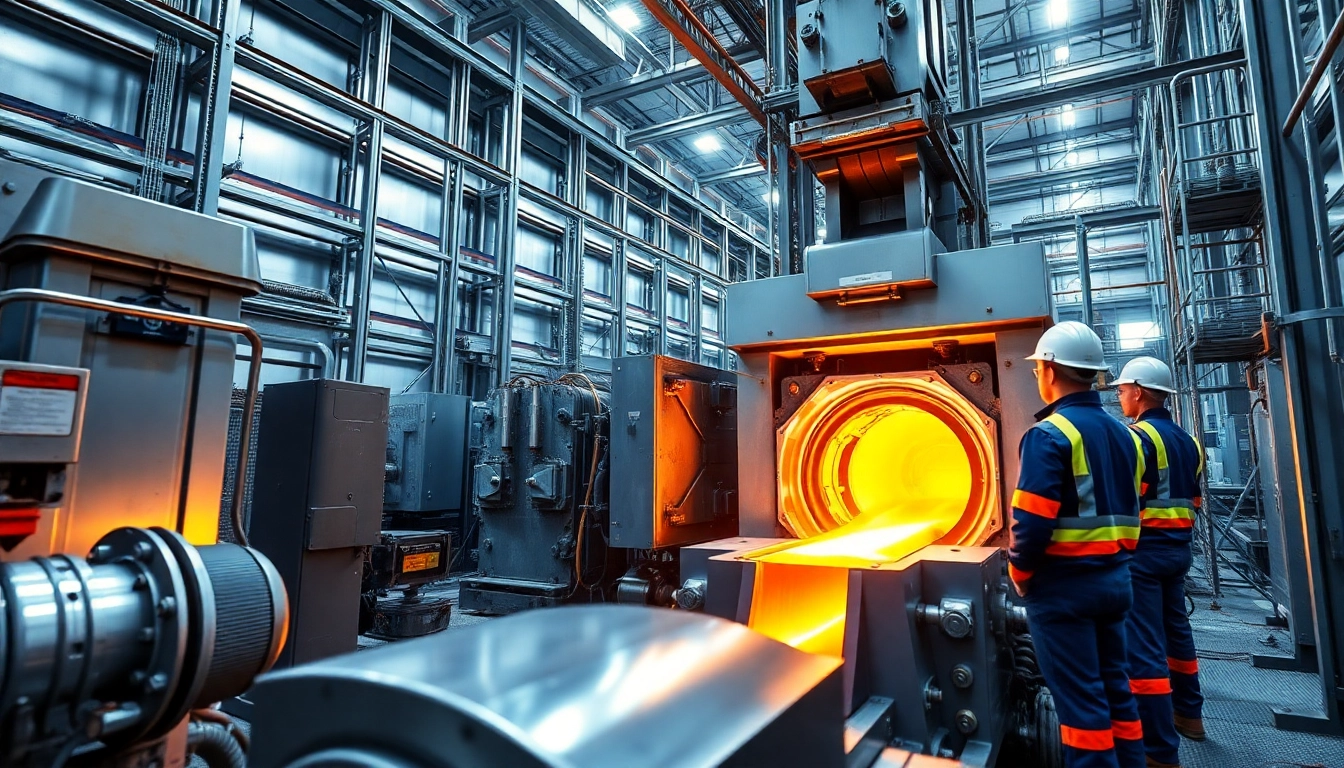
Understanding High Pressure Diecasting in Malaysia
The diecasting industry in Malaysia has experienced tremendous growth, particularly in high pressure diecasting, which is known for producing intricate parts with exceptional precision. This manufacturing method has become essential in various sectors, including automotive, electronics, and consumer goods. As a leader in this field, companies like Sena Diecasting are at the forefront of innovation and technological advancement, offering high pressure diecasting malaysia solutions that meet global standards.
What is High Pressure Diecasting?
High pressure diecasting is a manufacturing process that involves injecting molten metal into a mold under high pressure. This technique allows for the quick production of complex shapes with a smooth surface finish and excellent dimensional accuracy. The molds, or dies, are typically made from steel, which can withstand the high pressures and temperatures involved in the process. High pressure diecasting is primarily used with non-ferrous metals, most commonly aluminum and zinc, due to their favorable casting properties.
Key Benefits of High Pressure Diecasting
- Precision and Accuracy: The high-pressure technique results in parts that adhere closely to design specifications, minimizing the need for additional machining.
- Speed of Production: The quick cycle times involved in high pressure diecasting allow manufacturers to produce large quantities of parts in a short timeframe.
- Cost Efficiency: With reduced material waste and faster production rates, high pressure diecasting proves to be cost-effective for mass production.
- Versatility: This method is suitable for various industries, providing the ability to create complex designs that meet specific requirements.
Applications Across Industries
High pressure diecasting is widely utilized in many sectors, including:
- Automotive: Components such as engine blocks, transmission housings, and structural parts benefit from the strength and lightness of diecast aluminum.
- Electronics: Many electronic devices incorporate diecast components for heat sinks and housings, ensuring durability and efficiency.
- Consumer Goods: Items like kitchen appliances, power tools, and decorative hardware often use diecasting for both functionality and aesthetics.
The Diecasting Process Explained
Understanding the diecasting process is essential for appreciating the quality of the final product. Each step is critical to ensure optimal results, from melting the metal to cooling the finished part.
Step-by-Step Diecasting Procedure
- Melting: The metal is melted in a furnace, reaching temperatures that allow it to flow easily.
- Injection: Once molten, the metal is injected into a pre-heated die at high pressure.
- Cooling: The metal cools and solidifies within the die, maintaining the desired shape.
- Extraction: After sufficient cooling, the part is removed from the die, which is then prepared for the next cycle.
Materials Used in High Pressure Diecasting
Common materials for high pressure diecasting include:
- Aluminum: Lightweight, resistant to corrosion, and provides good thermal and electrical conductivity.
- Zinc: Known for its high strength-to-weight ratio and excellent surface finish.
- Magnesium: Offers the best strength-to-weight ratios and is often used in automotive applications.
Quality Control Measures in Manufacturing
Ensuring the quality of diecast components is paramount. Manufacturers implement various quality control measures, including:
- Regular Inspections: Parts are inspected throughout the production process to catch defects early.
- Testing: Mechanical properties such as tensile strength and hardness are tested to ensure they meet specifications.
- Process Monitoring: Parameters like temperature and pressure are closely monitored during production to maintain consistency.
Challenges in High Pressure Diecasting
While high pressure diecasting offers many advantages, there are also challenges that manufacturers must navigate to optimize their operations and maintain quality.
Common Issues Faced by Manufacturers
- Defects in Castings: Issues such as porosity, misruns, and cold shuts can arise if the process is not properly controlled.
- Tool Wear: The high-pressure injection can lead to rapid wear and tear on the dies, increasing costs over time.
- Material Costs: Fluctuations in the prices of raw materials can impact profitability, necessitating strategic sourcing.
Strategies to Overcome Production Hurdles
To mitigate these challenges, manufacturers can adopt several strategies:
- Investing in Technology: Advanced monitoring systems can help in detecting issues early and ensuring quality.
- Regular Maintenance: Implementing a maintenance schedule for dies and machinery can reduce downtime and extend tool life.
- Skilled Workforce: Training employees in best practices is crucial for maintaining high standards throughout the manufacturing process.
The Role of Technology in Mitigating Challenges
Emerging technologies, such as automation and artificial intelligence, are playing a pivotal role in enhancing the efficiency and effectiveness of high pressure diecasting. These technologies help in reducing human error, optimizing processes, and improving overall production quality.
Future Trends in High Pressure Diecasting
The diecasting industry is continuously evolving, driven by advancements in technology and changing market demands. Staying ahead of these trends is crucial for manufacturers looking to maintain competitive advantages.
Emerging Technologies Shaping the Industry
- 3D Printing: Rapid prototyping through 3D printing is streamlining the design process, enabling faster adjustments and reduced lead times.
- Simulation Software: Advanced simulation tools allow manufacturers to predict outcomes and optimize designs before production begins.
Sustainability Practices in Diecasting Manufacturing
As industries face growing pressure to adopt sustainable practices, diecasting manufacturers are implementing eco-friendly strategies, such as:
- Recycling Materials: Using recycled metals in diecasting processes reduces waste and energy consumption.
- Energy Efficiency: Upgrading machinery to more energy-efficient models lowers overall environmental impact.
Predictions for 2025 and Beyond
Industry experts predict that by 2025, high pressure diecasting manufacturers will increasingly leverage automation and AI to streamline operations while enhancing sustainability initiatives. This trend will likely lead to improved product quality, reduced time-to-market, and lower production costs.
Selecting the Right Diecasting Partner in Malaysia
For businesses looking to leverage high pressure diecasting, selecting the right manufacturing partner is crucial. A reputable partner can significantly impact overall product quality and production efficiency.
Evaluating Capabilities and Expertise
When evaluating potential partners, consider their experience, technology capabilities, and the specific industries they serve. An established company with a proven track record can often deliver superior results.
The Importance of Certification and Standards
Ensuring that your diecasting partner adheres to international quality standards is essential. Look for certifications such as ISO 9001 or automotive-specific standards like IATF 16949 to ensure high-quality production processes.
Case Studies of Successful Partnerships
Examining case studies can provide valuable insights into the effectiveness of potential partners. Successful collaborations often highlight innovative solutions, efficiency improvements, and positive customer feedback.