Effective Underground Leak Detection: Proven Strategies for 2025
Understanding Underground Leak Detection Basics
In the intricate network of residential water systems, the silent threat of underground leaks poses significant risks, not just to the structure of your home but also to your finances. Underground leak detection is a vital service that can help homeowners identify and rectify such issues before they escalate into extensive damage. This comprehensive guide dives deep into the fundamentals of underground leak detection, highlighting the technologies used, the importance of early detection, and effective strategies for homeowners.
What is Underground Leak Detection?
Underground leak detection refers to the various methods employed to identify leaks in concealed plumbing systems, especially those buried underground. These systems often include water mains, drainage pipes, and sewer lines that run beneath homes and landscapes. Unlike visible leaks, which can easily be identified, underground leaks are often more challenging to detect, primarily as water escapes into the surrounding ground unnoticed. Techniques used in underground leak detection leverage advanced technologies to pinpoint the exact location of the leak, minimizing the disruption and damage to your property.
The Importance of Early Leak Detection
Detecting a leak early can save homeowners from extensive damage and costly repairs. A small leak can grow over time, leading to issues such as structural damage from water infiltration, mold growth, and increased water bills. Additionally, if a gas leak is present, it poses serious safety hazards. Therefore, employing a proactive approach toward early leak detection can safeguard your home, health, and finances.
Common Signs of Underground Leaks
- Unexplained spikes in water bills.
- Soggy patches in your lawn or garden.
- Unusual pooling of water around the foundation of your home.
- Presence of mold or mildew inside the home.
- Cracks in walls or foundations that were not previously there.
- Sudden changes in water pressure.
Advanced Technologies in Underground Leak Detection
As technology advances, so do the methods for detecting leaks. Today, several state-of-the-art technologies enable professionals to locate and diagnose leaks with incredible accuracy and efficiency. Understanding these technologies can help you make informed decisions about your leak detection needs.
Overview of Detection Technologies
Modern leak detection relies on several specialized technologies, each designed to address different types of leaks. These include pressure testing, thermal imaging, acoustic listening devices, and tracer gas detection. By employing these techniques, leak detection specialists can accurately locate leaks without extensive excavation.
Pressure Testing: A Key Method
Pressure testing involves isolating sections of pipework and monitoring pressure changes to detect leaks. If a significant drop in pressure occurs, it often indicates a leak in the isolated area. This method is particularly effective for diagnosing leaks in water mains and can help prevent further water loss.
Thermal Imaging for Accurate Leak Location
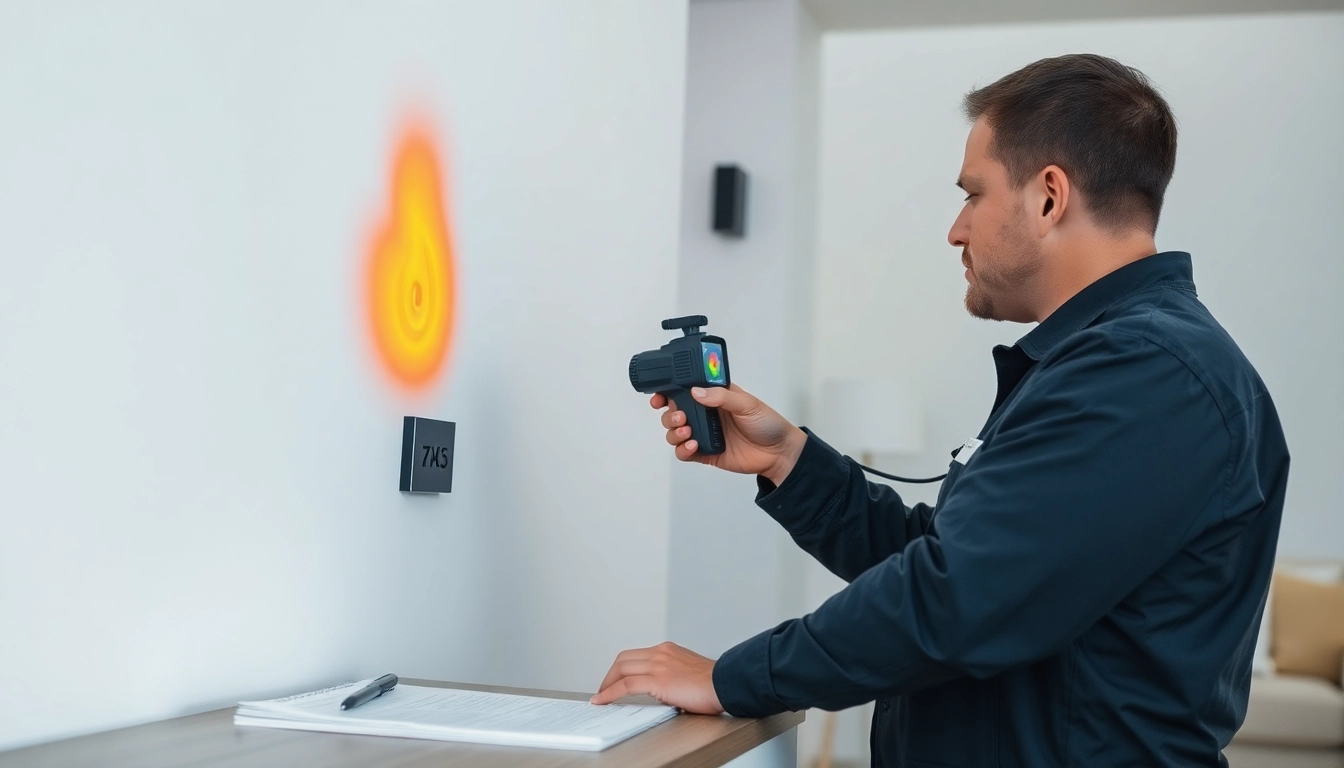
Thermal imaging cameras detect temperature variations caused by water escaping from pipes. These cameras can visualize the heat differences in walls, floors, and ceilings, helping technicians identify the precise location of the leak. This non-invasive method is valuable for both hidden leaks and those affecting your home’s insulation.
Effective Strategies for Residential Leak Detection
Effective underground leak detection requires a combination of professional expertise and homeowner vigilance. By identifying vulnerable areas in your home and understanding when to call for help, you can protect your property from the dangers associated with leaks.
Identifying Vulnerable Areas in Your Home
Some areas of your home are more susceptible to leaks than others. High-risk zones include:
- Basement walls where pipes are frequently located.
- Near foundations, where soil shifts can cause cracks.
- Underneath sinks and behind appliances where plumbing connections are made.
- Areas near newly constructed additions that could impact existing plumbing.
When to Call a Professional for Leak Detection
If you notice any of the common signs of leakage mentioned earlier, it’s crucial to contact a qualified leak detection service immediately. Delaying action can lead to more severe damage and costly repairs. Professional leak detection services have the tools and expertise necessary to locate and assess the severity of the leak accurately.
DIY Methods for Preliminary Leak Assessment
While it’s advisable to involve professionals for comprehensive assessments, homeowners can conduct preliminary checks to rule out leaks in their premises. Simple DIY methods include:
- Monitoring water bills for unusual increases over time.
- Performing visual inspections around foundation areas and along pipe pathways for signs of moisture.
- Listening for unusual sounds from pipes, such as hissing or dripping.
Cost Considerations for Underground Leak Detection Services
Understanding the potential costs involved in leak detection can help homeowners budget effectively. Depending on the complexity of the leak and the techniques used for detection, costs can vary significantly.
Typical Costs Involved in Professional Services
In professional leak detection, costs typically range from £550 to £1,250 in the UK, influenced by factors such as location, the accessibility of the leak, and the technologies employed for detection. Always confirm pricing before hiring a service.
Factors Affecting Leak Detection Costs
Several factors can influence the overall cost of leak detection services:
- The location of the leak—more difficult-to-access pipes may incur additional charges.
- The methods used—advanced technologies like thermal imaging or tracer gas detection may cost more.
- Extent of the damage—if a leak has caused significant damage, additional repairs may be necessary, impacting total costs.
Comparing DIY vs. Professional Solutions
While DIY methods can help in initial assessments, they lack the precision and efficiency of professional services. Employing professionals not only guarantees a thorough inspection but also ensures that complex issues are addressed safely and effectively.
Future Trends in Leak Detection for 2025 and Beyond
The field of leak detection is continually evolving as advancements in technology emerge. Staying informed about these trends can help homeowners leverage new methods and tools for detecting leaks more effectively.
Emerging Technologies to Watch For
In the coming years, we can expect to see:
- Increased use of AI and machine learning in leak detection technologies.
- More sophisticated sensors that can provide real-time data on underground water systems.
- Integration of smart home technologies, allowing homeowners to monitor their plumbing systems from mobile devices.
The Role of Artificial Intelligence in Leak Detection
AI is set to revolutionize how leaks are detected. By employing algorithms that analyze data from multiple sources, AI can identify patterns indicative of leak occurrences and predict potential failures before they happen. This proactive approach can save homeowners substantial costs in repairs and damages.
Preparing Your Home for New Leak Detection Solutions
To take full advantage of emerging technologies, homeowners should prepare their properties by:
- Installing easily accessible plumbing systems that accommodate future upgrades.
- Considering smart water monitoring systems that provide alerts on irregularities.
- Regularly maintaining and inspecting existing plumbing to minimize risks of leaks.