Understanding Water Leak Detection
Water leak detection is an essential service for homeowners seeking to maintain the integrity and efficiency of their plumbing systems. Leaks, whether visible or hidden, can lead to significant property damage and escalating costs if not addressed promptly. In 2025, the technology and methods used in water leak detection have advanced significantly, allowing for quicker and more accurate identification of problem areas. By understanding the importance of early detection and utilizing modern techniques, homeowners can save themselves from costly repairs and ensure their property remains safe and dry. When exploring options, water leak detection services provide comprehensive insights into maintaining your home’s plumbing health.
The Importance of Early Detection
Early detection of water leaks is crucial to preventing minor issues from escalating into major damages. A small leak can weaken structural elements, promote mold growth, and lead to higher utility bills. The cost of repairing water damage often outweighs the expenses associated with regular leak detection services. Moreover, many insurance policies require homeowners to demonstrate that they have taken steps to prevent such damages, making regular inspections not only practical but also necessary.
Common Types of Water Leaks in Homes
Water leaks can occur for various reasons, and being aware of the common types can help homeowners identify potential problems early:
- Piping Leaks: Often caused by corrosion, shifting foundations, or high water pressure.
- Appliance Leaks: Washing machines, dishwashers, and refrigerators with ice makers can develop leaks due to faulty hoses or fittings.
- Roof Leaks: Damaged roofing materials or improper ventilation can allow water to seep into the house.
- Drainage Leaks: Clogged or damaged drainage systems can cause backups and overflow.
Modern Technologies in Leak Detection
The field of leak detection has evolved with technological advancements, leading to more effective and less invasive methods:
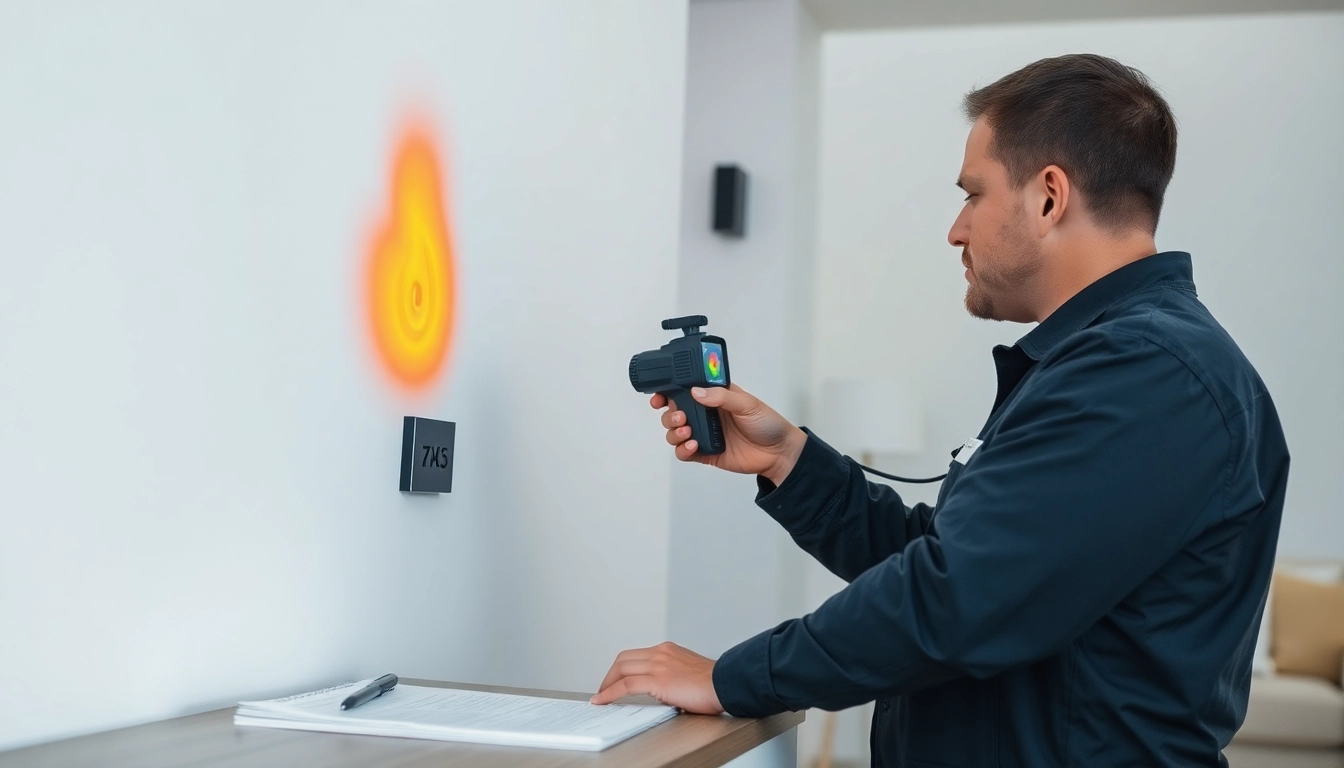
- Thermal Imaging: Uses infrared cameras to detect temperature differences in walls and floors, indicating possible leaks.
- Acoustic Sensors: These devices pick up sound waves from leaking water, allowing technicians to identify leak locations even through concrete or dirt.
- Moisture Meters: Handy tools that measure moisture levels in various materials to help pinpoint the source of a leak.
Identifying Water Leaks
Detecting leaks early involves being vigilant about signs and conducting regular inspections throughout the home.
Signs of Hidden Water Leaks
Homeowners should be aware of the following signs indicating possible hidden leaks:
- Unexpectedly high water bills compared to previous months.
- Water stains on walls, ceilings, or floors.
- Mold growth in damp areas such as basements or behind appliances.
- The sound of running water when fixtures are off.
How to Conduct a Preliminary Inspection
A thorough preliminary inspection can often reveal signs of leaks before they escalate:
- Check water meter readings and monitor for fluctuations that indicate leaks.
- Inspect visible plumbing for signs of corrosion or moisture.
- Look under sinks and around appliances for signs of pooling water.
- Examine your home’s exterior for any erosion or damp spots, especially after heavy rainfall.
When to Call in Professionals
While homeowners can conduct initial assessments, certain situations call for professional intervention:
- If signs of leaks are discovered, but the source cannot be identified.
- When leaks are suspected in inaccessible areas, such as behind walls or underground.
- In cases of persistent mold issues that could indicate a hidden leak.
Advanced Techniques for Leak Detection
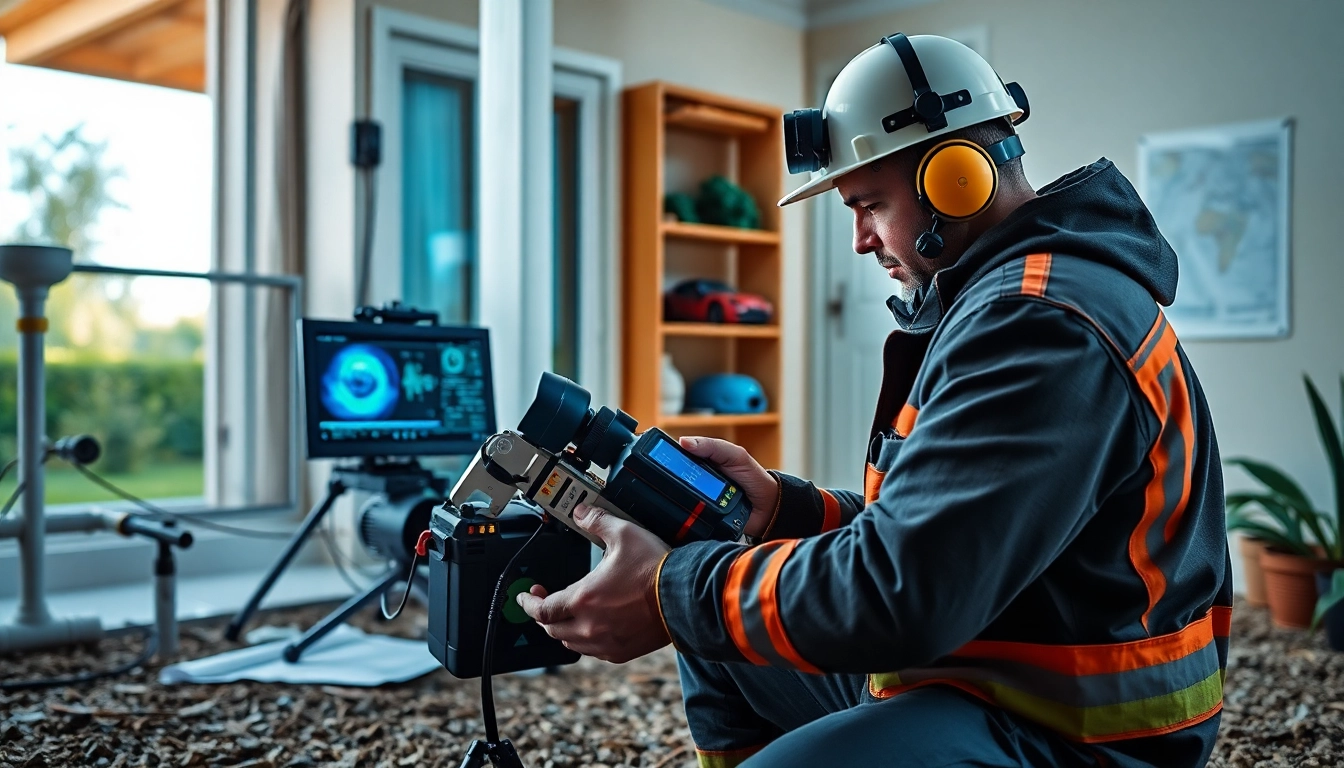
Professional leak detection services utilize sophisticated tools and techniques that homeowners may not have access to. Here are some of the most effective methods:
Utilizing Thermal Imaging Cameras
Thermal imaging cameras are invaluable in detecting temperature discrepancies that may be caused by leaks. By analyzing heat patterns on surfaces, technicians can locate leaks that are otherwise invisible to the naked eye.
The Role of Acoustic Listening Devices
Acoustic listening devices amplify sounds of water escaping from pipes, even when buried underground or hidden behind walls. This technology is particularly effective for pinpointing leaks without causing damage to the property.
Benefits of Tracer Gas Detection
Tracer gas detection involves introducing a safe, odorless gas into the plumbing system and tracking its escape point. This method is especially useful for locating small or difficult-to-find leaks, making it a preferred choice for professionals.
Cost of Water Leak Detection Services
The costs associated with water leak detection can vary widely based on several factors, including the complexity of the leak, accessibility, and methods used.
Factors Influencing Detection Costs
Several factors contribute to the overall cost of leak detection services:
- The type of leak (hidden vs. visible).
- Materials and methods employed (e.g., thermal imaging, acoustic testing).
- The urgency of the service (emergency calls may incur higher fees).
Average Prices for Different Detection Methods
On average, homeowners can expect to pay:
- Basic inspections: £150 – £300
- Thermal imaging: £200 – £400
- Acoustic detection: £250 – £500
- Tracer gas detection: £300 – £600
Investing in Long-term Solutions
Although the upfront costs for leak detection services may seem high, investing in regular inspections can save homeowners significantly in the long run by preventing severe damages and costly repairs.
Future Trends in Water Leak Detection
The field of water leak detection is continuously evolving, and several trends are shaping its future.
Emerging Technologies to Watch in 2025
As technology advances, new methods for leak detection are becoming available. Innovations such as intelligent leak detection systems that utilize machine learning for predictive maintenance are gaining traction. These systems can analyze usage patterns and alert homeowners to potential leaks before they occur.
The Impact of Smart Home Devices
Smart home technology is revolutionizing leak detection. Devices that automatically shut off water supply when a leak is detected are becoming more common, offering an immediate response to potential disasters.
Predictions for Leak Prevention Strategies
Looking forward, companies will likely focus more on proactive leak prevention strategies rather than reactive detection. This includes regular maintenance checks integrated with smart technology to monitor plumbing systems in real-time.